MyoGlow Review 2026: Can This Muscle Recovery Device Really Transform Your Pain Relief Routine?
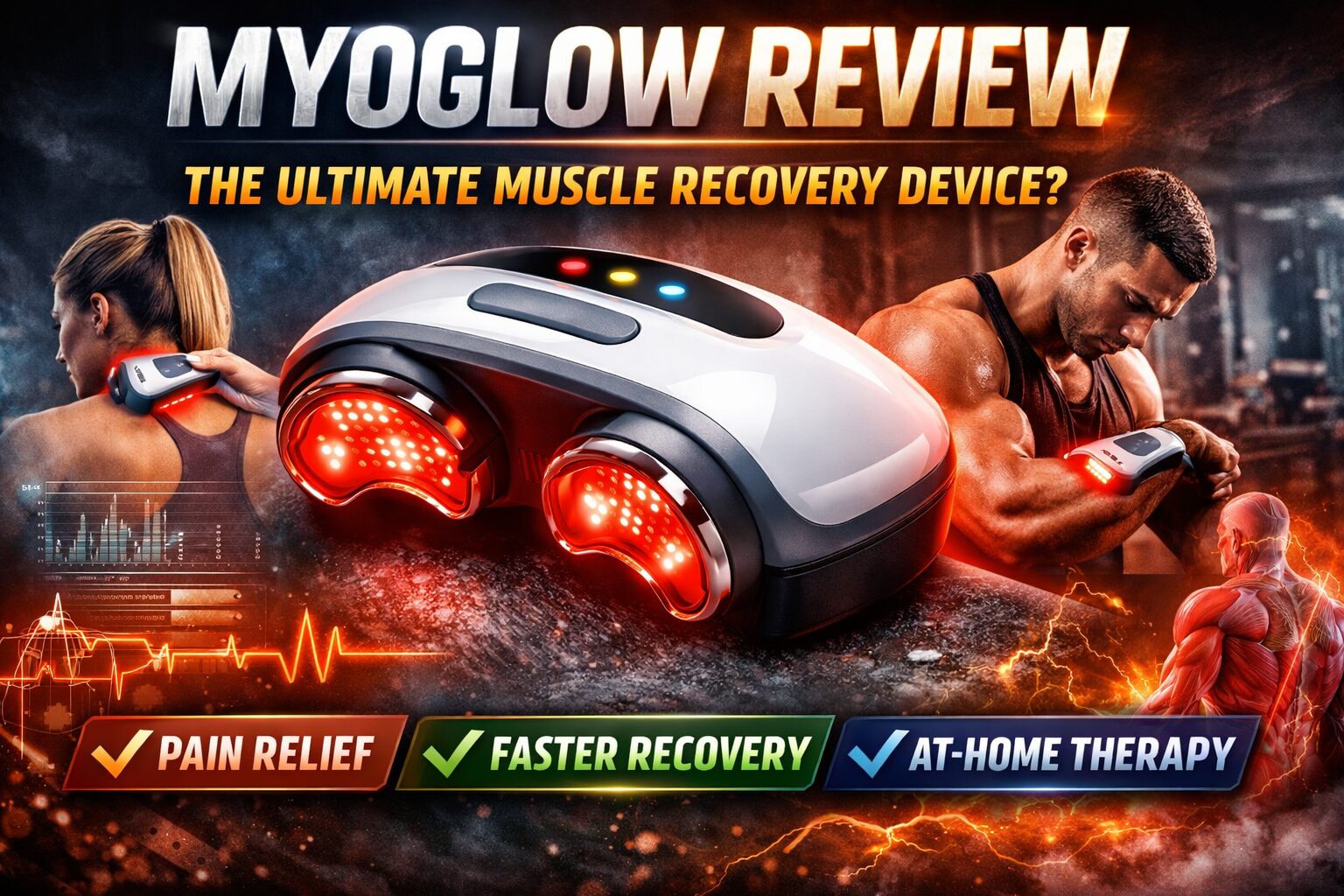
MyoGlow has suddenly become one of the most talked-about muscle recovery tools online. If you’ve been scrolling through fitness forums or wellness blogs, chances are you’ve already stumbled across MyoGlow at least once—and maybe wondered if it’s just hype or something genuinely useful.
I’ll be straight with you. The wellness gadget market is crowded. Devices promising pain relief, muscle recovery, and faster healing pop up every other week. But every now and then a product shows up that actually gets people talking for the right reasons. MyoGlow appears to be one of those rare entries.
So I spent time researching it—how it works, who it’s for, what the science says, and whether it’s worth your hard-earned money.
Let’s break it down.
What Is MyoGlow?
MyoGlow is marketed as a portable muscle recovery and therapy device designed to help relieve muscle soreness, improve circulation, and accelerate recovery after workouts or daily strain.
Think of it as a compact at-home muscle therapy system combining advanced recovery technology with user-friendly design. Instead of booking regular physiotherapy appointments or relying solely on foam rollers, MyoGlow aims to deliver targeted muscle relief right from your couch.
Here’s the basic idea.
When muscles experience stress—from workouts, long workdays, or injury—the tissue accumulates micro-damage and lactic acid buildup. That’s what causes stiffness and soreness.
Devices like MyoGlow aim to address that by:
- stimulating circulation
- relaxing muscle fibers
- accelerating recovery cycles
And according to the product description, MyoGlow focuses specifically on deep muscle stimulation and recovery technology.
Why Muscle Recovery Matters More Than Most People Think
Let me tell you something people often overlook.
Muscle recovery isn’t just a gym-rat obsession. It affects everyone.
Consider this statistic:
Nearly 80% of adults experience musculoskeletal pain at some point in their lives, according to global health research.
That includes:
- lower back pain
- neck tension
- shoulder stiffness
- post-exercise soreness
And in the U.S. alone, musculoskeletal disorders account for over $380 billion annually in healthcare costs.
So yeah—muscle recovery isn’t a luxury. It’s basic maintenance.
As legendary athlete Muhammad Ali once said:
“The fight is won or lost far away from witnesses — behind the lines, in the gym, and out there on the road.”
Recovery is part of that process.
The Growing Popularity of At-Home Muscle Recovery Technology
Ten years ago, muscle recovery technology was mostly reserved for professional athletes, physiotherapy clinics, and elite training facilities. Today? The landscape looks completely different.
The global muscle recovery technology market is expanding rapidly. According to industry research, the sports recovery market is expected to surpass $8.2 billion by 2030, growing at an annual rate of roughly 7.5% CAGR.
That’s huge.
Why the surge?
A few reasons stand out:
- More people are working out than ever before
- Remote work has increased posture-related muscle pain
- Consumers prefer at-home wellness solutions
- Technology has made recovery devices smaller and more affordable
Devices like MyoGlow sit right at the intersection of these trends. They promise something people increasingly value: professional-style muscle therapy without leaving home.
And honestly, that convenience is a big deal.
Let’s say you finish a brutal workout or spend ten hours glued to a laptop. Booking a massage appointment isn’t always realistic. But a quick 10-minute recovery session with a device? That’s doable.
That’s exactly why recovery technology is booming.
Why Muscle Pain Happens (And Why It Lingers)
Before talking more about MyoGlow, it’s worth understanding why muscle pain actually happens.
Most muscle discomfort comes from micro-trauma within muscle fibers. When you exercise, lift heavy objects, or stay in awkward positions for long periods, tiny tears occur inside the muscle tissue.
That sounds scary, but it’s normal.
The body repairs these micro-tears, which is how muscles become stronger. However, the repair process also creates inflammation and tightness.
That’s what causes:
- soreness
- stiffness
- reduced mobility
Delayed Onset Muscle Soreness (DOMS) usually peaks 24 to 72 hours after physical activity.
Interestingly, research from sports science journals shows that active recovery methods can reduce DOMS intensity by up to 35%.
Recovery tools work by encouraging the body to restore circulation and relax contracted muscle fibers, helping the healing process move faster.
MyoGlow and Red Light Therapy Technology
One of the interesting aspects often mentioned with MyoGlow is the use of red light therapy technology, a method gaining serious attention in the medical and wellness communities.
Red light therapy, sometimes called photobiomodulation, uses specific wavelengths of light to stimulate cellular activity.
Now, this isn’t science fiction.
NASA originally researched red light therapy to help astronauts recover from muscle fatigue during long space missions.
Today, it’s used in areas such as:
- sports recovery
- skin rejuvenation
- inflammation management
- wound healing
The technology works by interacting with mitochondria inside cells. Mitochondria are basically the energy generators of the body.
When exposed to certain wavelengths of light, cellular energy production can increase. More cellular energy means the body may repair tissue faster.
In fact, some clinical studies suggest red light therapy may increase ATP production (cellular energy) by up to 30–40% in treated areas.
That’s why athletes and physiotherapists have become increasingly interested in this type of therapy.
How MyoGlow Works
At its core, MyoGlow uses targeted therapeutic stimulation technology to help muscles relax and recover faster.
Here’s the simplified breakdown.
1. Deep Muscle Stimulation
MyoGlow aims to penetrate beneath the surface layer of muscle tissue.
This helps:
- loosen tight fibers
- reduce stiffness
- increase flexibility
2. Improved Blood Circulation
Muscle therapy devices often work by stimulating blood flow.
Better circulation means:
- more oxygen to muscle tissue
- faster nutrient delivery
- quicker removal of metabolic waste
The result? Faster recovery.
3. Targeted Pain Relief
Instead of treating the entire body, MyoGlow allows users to focus on specific areas such as:
- neck
- shoulders
- lower back
- calves
- thighs
Localized therapy tends to produce more effective relief.
The Science Behind Muscle Therapy Devices
Devices similar to MyoGlow rely on principles used in sports medicine and physiotherapy.
Some of the most widely studied methods include:
Neuromuscular Stimulation
Electrical stimulation techniques have been used for decades in physical therapy.
Research published in sports medicine journals shows these techniques can:
- improve muscle strength
- accelerate rehabilitation
- reduce muscle fatigue
Circulation Enhancement
Improved circulation helps muscles recover faster.
Increased blood flow allows the body to deliver:
- oxygen
- glucose
- amino acids
to damaged tissue.
And here’s an interesting stat.
Studies show that enhanced circulation can reduce muscle soreness by up to 30–40% after intense exercise.
Key Benefits of MyoGlow
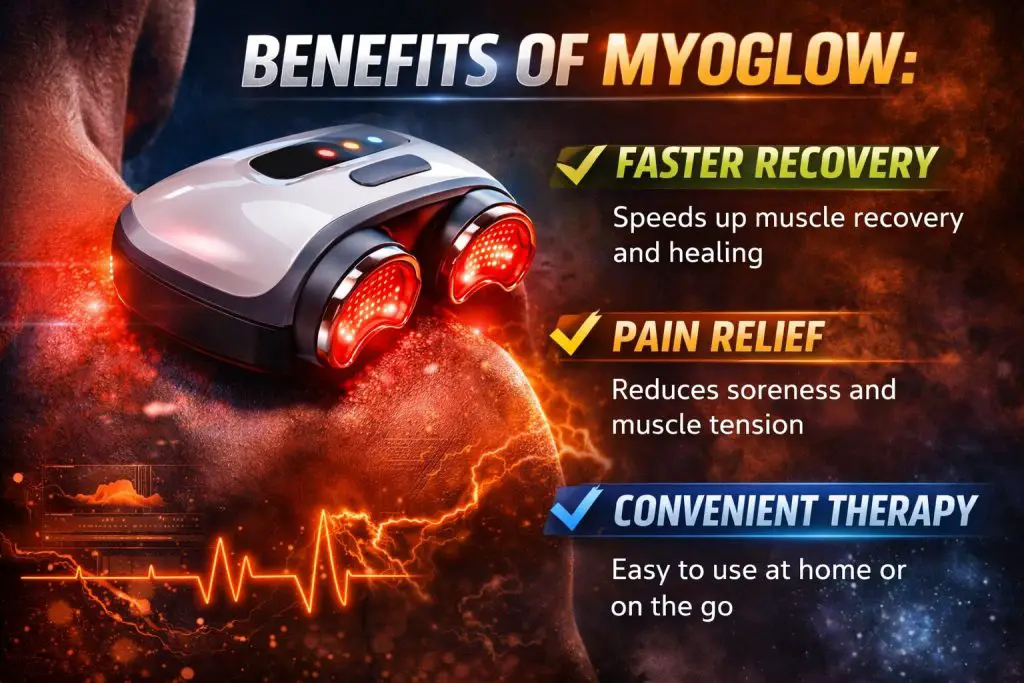
Let’s talk practical outcomes.
What might users actually experience?
Faster Post-Workout Recovery
Athletes and fitness enthusiasts often struggle with delayed onset muscle soreness (DOMS).
DOMS usually peaks 24–48 hours after exercise.
A recovery device like MyoGlow may help reduce that downtime.
Relief From Everyday Muscle Pain
You don’t need to be a marathon runner to experience muscle pain.
Desk workers, drivers, and students frequently deal with:
- neck tension
- lower back stiffness
- shoulder tightness
MyoGlow offers a simple way to target those areas.
Convenience and Portability
Traditional recovery options include:
- massage therapy
- physiotherapy
- chiropractic visits
While helpful, they require scheduling and travel.
MyoGlow is designed to be portable and easy to use at home.
Stress Reduction
Muscle tension often goes hand in hand with stress.
Relaxing tight muscle groups can actually help reduce stress signals in the nervous system.
It’s a small thing—but it matters.
Who Should Use MyoGlow?
This device appears suitable for several groups.
Athletes and Fitness Enthusiasts
People who regularly train may benefit from faster muscle recovery.
Typical users include:
- gym athletes
- runners
- cyclists
- weightlifters
Office Workers
Sitting for hours causes serious posture problems.
A recovery tool like MyoGlow can help relieve:
- upper back tension
- neck stiffness
- shoulder tightness
Older Adults
As we age, muscle elasticity decreases.
Recovery devices can support mobility and comfort.
People With Chronic Muscle Tightness
Anyone experiencing persistent muscle tension might find relief through targeted therapy.
Tips for Getting the Best Results From MyoGlow
If you decide to use MyoGlow, how you use it can make a difference.
Here are a few simple tips that may improve results.
1. Use It After Workouts
Post-exercise sessions are ideal.
Muscles are already warm, and circulation is active.
A short recovery session can help relax muscle fibers before stiffness sets in.
2. Stay Consistent
Consistency matters more than intensity.
Using the device 3–4 times per week is typically more effective than occasional use.
3. Hydrate Properly
Hydration supports muscle recovery.
Water helps transport nutrients and flush metabolic waste from muscles.
4. Combine With Stretching
Recovery devices work best when paired with stretching routines.
Stretching maintains flexibility and prevents tight muscle patterns.
Real-World Use Cases
Let’s walk through some everyday scenarios.
Case 1: Gym Recovery
Imagine finishing a heavy leg workout.
Your quads and hamstrings feel like concrete the next day.
Using MyoGlow for 10–15 minutes post-workout could help loosen muscle fibers and stimulate circulation.
Case 2: Work-From-Home Neck Pain
After eight hours hunched over a laptop, neck tension is inevitable.
Targeted therapy sessions can help relax those tight muscle groups.
Case 3: Travel Recovery
Long flights or road trips often cause stiffness.
Portable recovery tools like MyoGlow can be used during travel or immediately after.
MyoGlow vs Other Muscle Recovery Devices
Let’s compare it to common alternatives.
| Feature | MyoGlow | Foam Roller | Massage Gun |
| Portability | High | Medium | Medium |
| Ease of Use | Very easy | Requires technique | Easy |
| Targeted Therapy | Yes | Limited | Good |
| Noise Level | Quiet | Silent | Often loud |
| Professional Feel | Moderate | Basic | High |
Foam rollers work well—but they require physical effort.
Massage guns can be powerful but sometimes uncomfortable.
MyoGlow appears positioned somewhere in between.
MyoGlow Pros and Cons
No product is perfect.
Here’s a balanced view.
Pros
✔ Portable and easy to use
✔ Targeted muscle therapy
✔ May support faster recovery
✔ Useful for both athletes and everyday users
✔ Can be used at home
Cons
✖ Results may vary between individuals
✖ Not a replacement for medical treatment
✖ Requires consistent use for best results
Are There Any Side Effects?
Most muscle therapy devices are considered safe when used properly.
However, a few precautions are worth mentioning.
Avoid using MyoGlow on:
- open wounds
- inflamed injuries
- fractured bones
And if you have any serious medical condition, it’s always wise to consult a healthcare professional first.
MyoGlow Customer Reviews
Feedback online appears generally positive.
Many users report improvements in:
- muscle soreness
- mobility
- post-workout recovery
Of course, individual experiences differ.
But consistent themes include convenience and ease of use.
Pricing and Available Packages
The MyoGlow product page typically offers several purchasing options.
Common packages include:
- single unit
- multi-unit bundles
- discounted promotional offers
Bulk purchases often provide better pricing per unit.
That’s fairly standard in wellness products.
Where to Buy MyoGlow
If you decide to try it, the safest approach is purchasing directly from the official MyoGlow website.
Buying from the official source helps ensure:
- authentic product
- warranty protection
- promotional discounts
- customer support access
Several promotional pages are currently available through the manufacturer’s website.
Purchasing from unofficial marketplaces may carry risks such as counterfeit devices or missing warranty coverage.
Frequently Asked Questions
Is MyoGlow safe?
When used as directed, muscle therapy devices are generally considered safe for most users.
How long should you use MyoGlow?
Typical sessions last 10–20 minutes per muscle group.
Can MyoGlow replace physiotherapy?
No. It’s best considered a supplement to recovery routines, not a replacement for professional medical care.
How quickly do results appear?
Some users report feeling relief after the first few sessions, while others may need several weeks of consistent use.
Final Verdict: Is MyoGlow Worth Trying?
Muscle recovery is often the missing piece in people’s wellness routines.
We spend time working out, pushing ourselves harder, and chasing performance—but recovery gets ignored.
That’s where devices like MyoGlow step in.
Is it a miracle device? Probably not.
But based on its concept, user feedback, and the science behind muscle therapy technology, MyoGlow appears to be a practical recovery tool worth considering—especially if you struggle with muscle tension or post-workout soreness.
If you’re curious, exploring the official site and learning more about MyoGlow could be a smart first step. For anyone dealing with regular muscle fatigue, trying MyoGlow might just be the recovery upgrade you didn’t realize you needed.