Barestep Shoes in 2026: Barestep Price, Fit, Comfort, Pros, Cons, and Where to Buy
Barestep has been showing up everywhere lately, and Barestep is clearly tapping into a very real shift in how people think about foot comfort. More shoppers are moving toward wide toe box shoes, zero drop shoes, and minimalist walking shoes because stiff, narrow footwear is starting to feel like old news.
That timing matters, too, because foot pain is common in adults, with prevalence estimates ranging from roughly 13% to 36%, while physical inactivity is still stubbornly high worldwide. I think that’s why Barestep is getting traction; and you can learn more from the brand’s official website >>>
The brand is pitching a simple idea: let your feet spread, bend, and move more naturally, while keeping the upfront price lower than a lot of premium comfort or performance shoes. On the current Barestep US site, the line spans 12 products, the store highlights 130,000+ customers, and several bestselling pairs are heavily marked down during a Winter Sale.
Casey Kasem once said, “Keep your feet on the ground and keep reaching for the stars.”
It’s a little cheesy, sure, but for barefoot shoes, it lands. If you spend long hours walking, standing, commuting, traveling, or training, the ground-level stuff matters more than the marketing gloss.
So let’s cut through the noise. I’m going to walk you through what Barestep is, what the current Barestep price looks like, how Barestep cost vs traditional shoes stacks up, what real buyers are saying, where to buy Barestep, and whether the brand is actually worth your money in 2026.
What Is Barestep, Exactly?
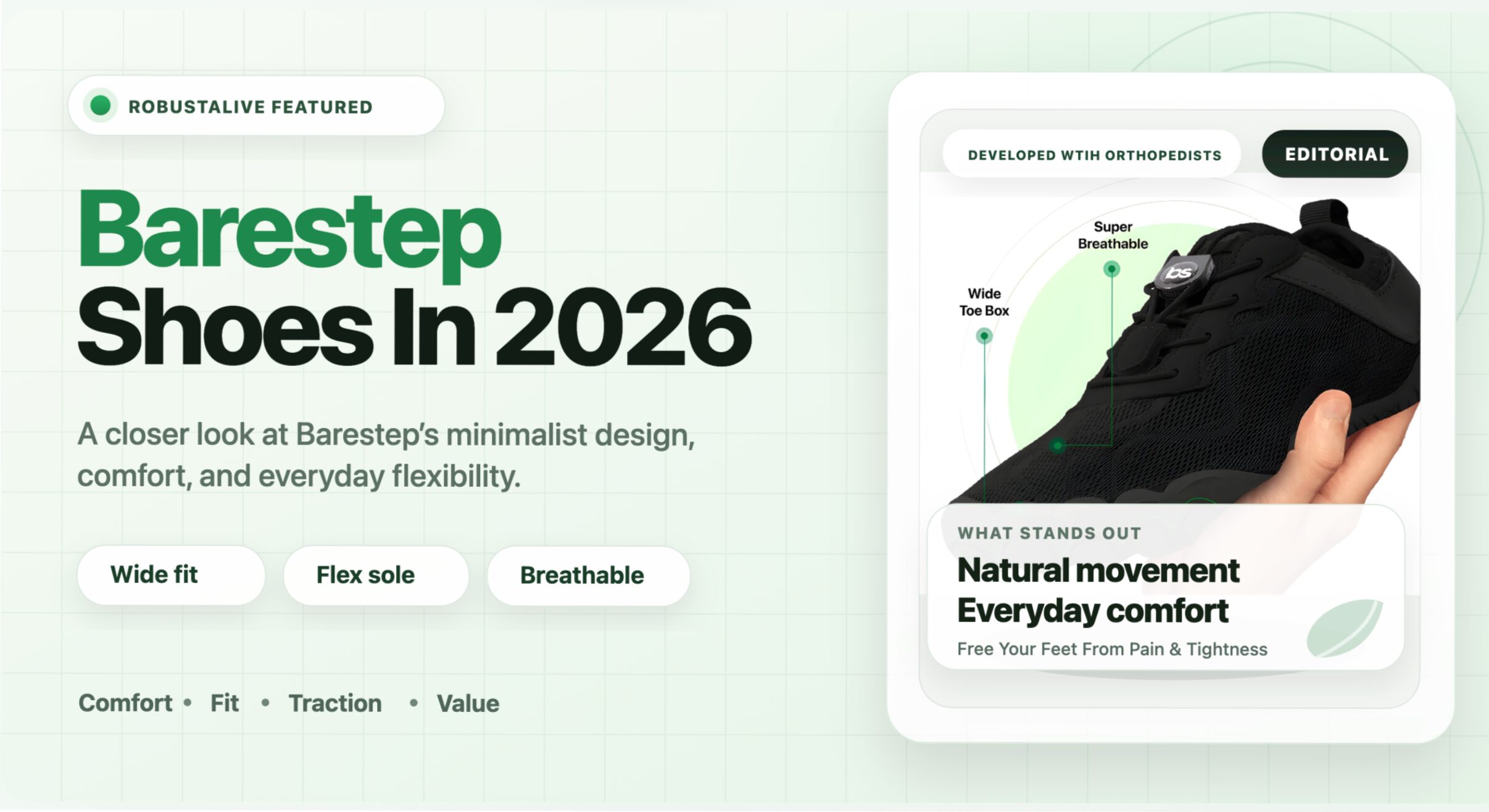
Barestep is a barefoot-style footwear brand built around the usual minimalist pillars: roomy toe boxes, flexible soles, and zero-drop geometry. The current US storefront describes its shoes as designed to restore natural strength, provide immediate relief, and allow feet to move the way they were meant to. The catalog includes models such as Active 3.0, Active 2.0, Active, Peak, Everest, Summit, Vista, Float, Pulse, Spark, Stride, and Swift.
The brand leans hard into pain relief, balance, and natural movement language. On the Active 2.0 page, Barestep says the shoe is developed with orthopedists, is intended for immediate relief and stronger feet, and includes features like a wide toe box, ultra-flexible sole, breathable build, and a 30-day comfort guarantee. It also gives fit guidance, including sizing down on some models and sizing up on others.
That matters because the whole barefoot category lives or dies on fit. A minimalist shoe that cramps your forefoot or misses the length will feel like a bad joke, not a breakthrough. Barestep at least seems aware of that, which is why its size-swap messaging and model-by-model sizing advice are a genuine plus.
Key Specs of Barestep
The table below pulls together the core Barestep specs shown on the official website and FAQ pages, focusing on the details buyers usually search for when comparing barefoot shoes, wide toe box shoes, and zero-drop walking shoes.
| Barestep feature | What it means | Why it helps customers |
| Wide toe box | Extra room in the front of the shoe | Lets toes spread naturally for better comfort and less crowding |
| Zero-drop sole | Heel and forefoot stay level | Supports a more natural standing and walking position |
| Flexible sole | Sole bends more easily than rigid shoes | Helps feet move more naturally during walking |
| Ultra-lightweight feel | Shoe is designed to feel light on foot | Makes daily wear, travel, and long walks easier |
| Non-slip durable sole | Outsole is built for grip and stability | Helps with traction on everyday surfaces |
| Breathable airy upper | Upper is lightweight and ventilated | Helps keep feet cooler and more comfortable |
| Stretchy adaptable knit | Upper can adjust to the shape of the foot over time | Can improve comfort and fit after a few wears |
| Standard width with roomy fit design | Officially standard width, but built with a forgiving upper and wide toe area | Better for many buyers who need more forefoot room |
| Unisex sizing | Sizing is presented in men’s and women’s equivalents | Makes choosing the correct fit easier |
| Easy size swaps | Brand offers simplified size exchange support | Reduces hesitation for first-time buyers |
| 4–7 day tracked delivery | Official site states delivery with tracking in that window | Useful for buyers who want predictable shipping |
| 30-day comfort guarantee | Trial window offered by the brand | Gives customers more confidence before they buy |
How Barestep Works
Barestep works by letting your feet move more like they’re supposed to move in the first place. The brand builds its shoes around a wide toe box, a zero-drop sole, and a flexible lightweight design, which together allow your toes to spread naturally, keep your heel and forefoot level, and reduce the stiff, boxed-in feel that many conventional shoes create. Barestep also highlights features like a non-slip durable sole, an airy upper, and an upper knit that can adapt to the foot for a more personalized fit over time.
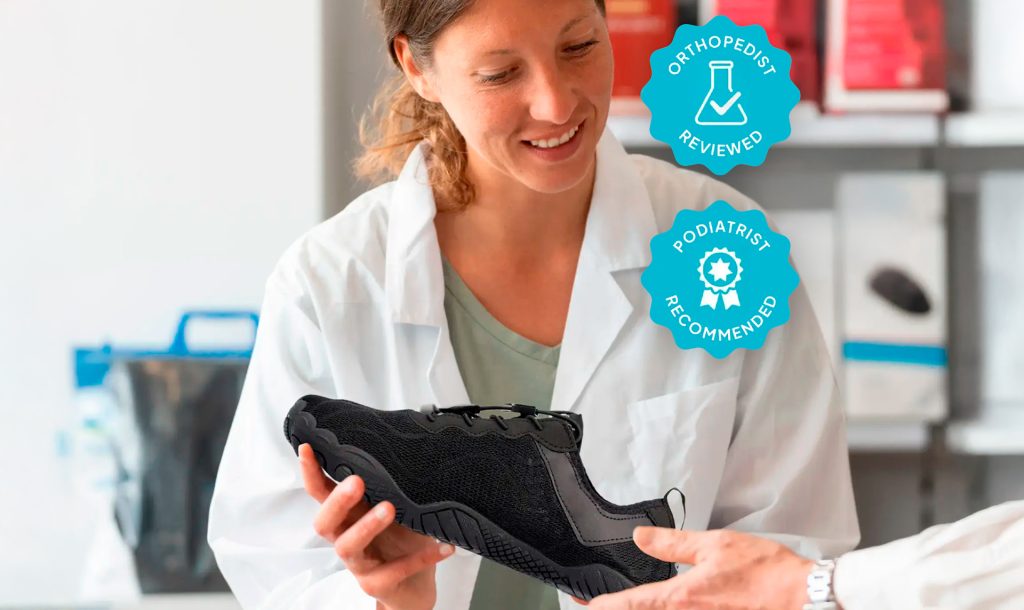
In plain English, that means Barestep is designed to reduce pressure, improve natural foot mechanics, and make walking feel less restrictive. The company also says its shoes are meant to support natural alignment, better balance, and all-day comfort, while practical buying features like easy size swaps, 4–7 day tracked delivery, and a 30-day comfort guarantee lower the risk for first-time buyers.
Why Barefoot Shoes Like Barestep Are Getting So Much Attention
More people care about foot health now. The CDC says few U.S. adults meet exercise goals. Only 46.9% meet aerobic goals. Only 24.2% meet both aerobic and strength goals.
The WHO says 1 in 4 adults worldwide stay inactive. So, easier walking appeals to many people.
That also explains the craze for barefoot shoes as Barestep. People want the best barefoot shoes for beginners. They want wide toe box shoes for all-day walking. They also want barefoot shoes for bunions.
The AAOS recommends wide toe boxes, soft soles, and support for bunions. NHS guidance says similar things. It recommends wide, low-heeled, soft, or extra-depth shoes. Barestep fits that demand well.
Still, we should stay realistic. A 2025 review studied minimalist shoes. It found they may build foot strength. They may also change foot movement. But the evidence was weak in key areas. A slow transition still matters. In simple terms, minimalist shoes may help some people. But they are not a cure-all. Brands should not market them that way.
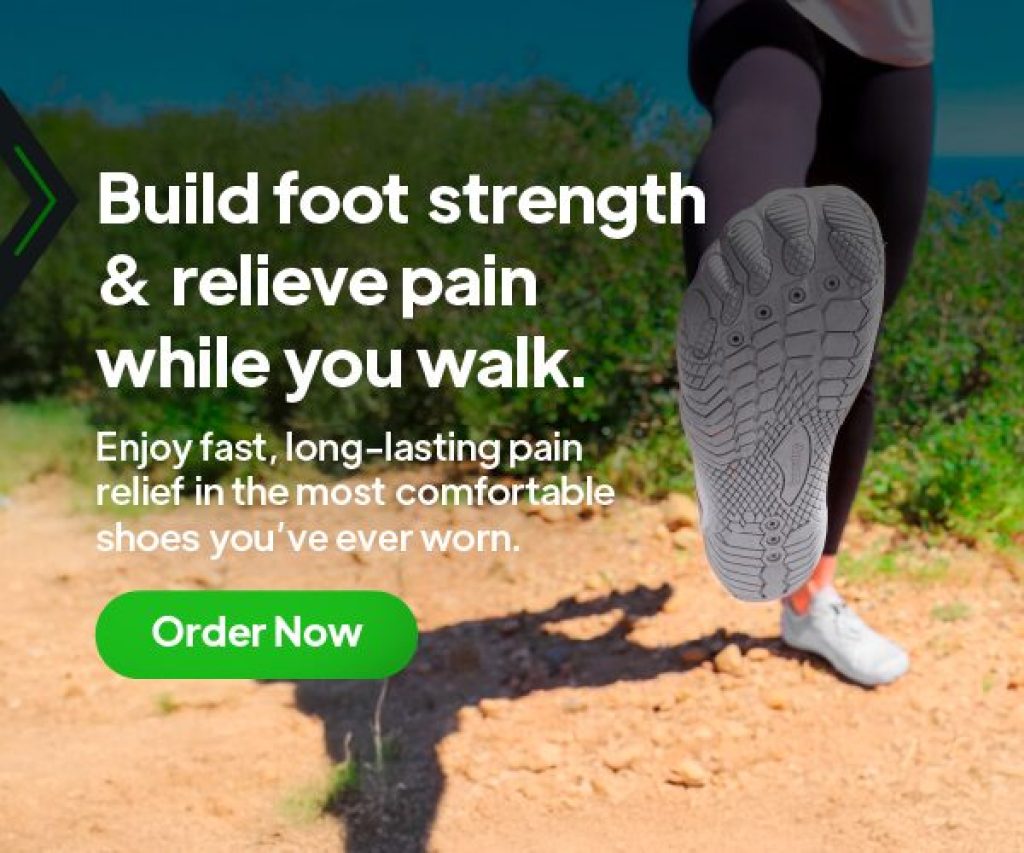
Barestep makes bold comfort claims, but the smartest way to read them is as a footwear design proposition, not a guaranteed medical outcome.
If you’ve got neuropathy, plantar fasciitis, chronic instability, or serious pain, you should treat Barestep as an option to test thoughtfully, not a diagnosis in a shoebox.
Barestep Pros and Cons
Pros
The biggest Barestep upside is value. The current Barestep price ladder gives you multiple entry points under $100, which is dramatically lower than many premium performance or comfort shoes that now live in the $150 to $175 range. If you want to experiment with zero drop shoes or flexible barefoot sneakers without torching your budget, Barestep is undeniably more approachable.
The second upside is breadth. Barestep isn’t just selling one hero shoe and calling it a day, because the store now lists 12 models with different looks, price bands, and use cases. That gives buyers more room to choose a barefoot shoe for walking, a casual pair, or something more trail-friendly-looking without leaving the brand ecosystem.
The third upside is the brand’s fast shipping policy and guarantee. Fast shipping, easy size swaps, a 30-day money-back guarantee, and a comfort guarantee with a stated claim rate of less than 1% all reduce buyer friction. When you’re deciding whether to buy Barestep for the first time, those details matter almost as much as the outsole.
Cons
The first drawback is that Barestep is still a transition shoe category, not a universal fix. Research on minimalist footwear supports potential strength and biomechanical benefits, but the transition literature also makes clear that moving too fast can backfire. If you’re coming from heavily cushioned trainers, you probably shouldn’t jump from zero to all-day wear overnight.
The second drawback is inconsistency in customer service feedback. Trustpilot feedback for Barestep’s South African storefront is broadly positive overall, but it still includes recurring complaints about order mix-ups, shipping delays, tracking gaps, and post-purchase service frustration. That doesn’t mean the brand is a write-off, but it does mean you should buy with open eyes.
The third drawback is aesthetic subjectivity. Some buyers love the lightweight, natural feel, while others openly admit the shoes are not the most conventionally stylish thing they’ve worn. That’s the tradeoff you often see in the best barefoot shoes category: comfort rises, but fashion opinion gets a little rowdy.
Barestep Cost Vs Traditional Shoes
This is where the Barestep cost vs traditional comparison gets interesting. NBC Select recently listed the Brooks Glycerin 23 at $174.95, the Hoka Bondi 9 at $175.00, and the Brooks Adrenaline GTS 25 at $154.95 in a plantar-fasciitis-focused roundup. By contrast, Barestep Active 2.0 is currently $74.99, and even the pricier Active 3.0 sits at $99.95.
So yes, Barestep price is lower than many traditional support-shoe options. But you’re not comparing like for like, and that’s the catch. Traditional shoes in that category usually lean on cushioning, structure, and support systems, while Barestep leans on flexibility, toe splay, and zero-drop alignment.
If you already know you love maximal cushioning, you may not love Barestep on day one. If, however, you’re specifically hunting for wide toe box shoes, natural movement shoes, or minimalist walking shoes for all-day wear, Barestep’s pricing gives you a lower-cost doorway into the category. That’s why I’d frame the brand less as a cheaper Brooks or Hoka, and more as an accessible on-ramp into barefoot-style footwear.
Real Use Cases: Who Barestep Makes Sense For
The first good fit is the everyday walker. If you’re trying to move more, hit your step goals, or just make daily walks less miserable, a lightweight shoe with toe room and a flexible sole can feel liberating compared with stiff casual sneakers. That matters even more when public-health guidance still pushes adults toward regular moderate movement like brisk walking.
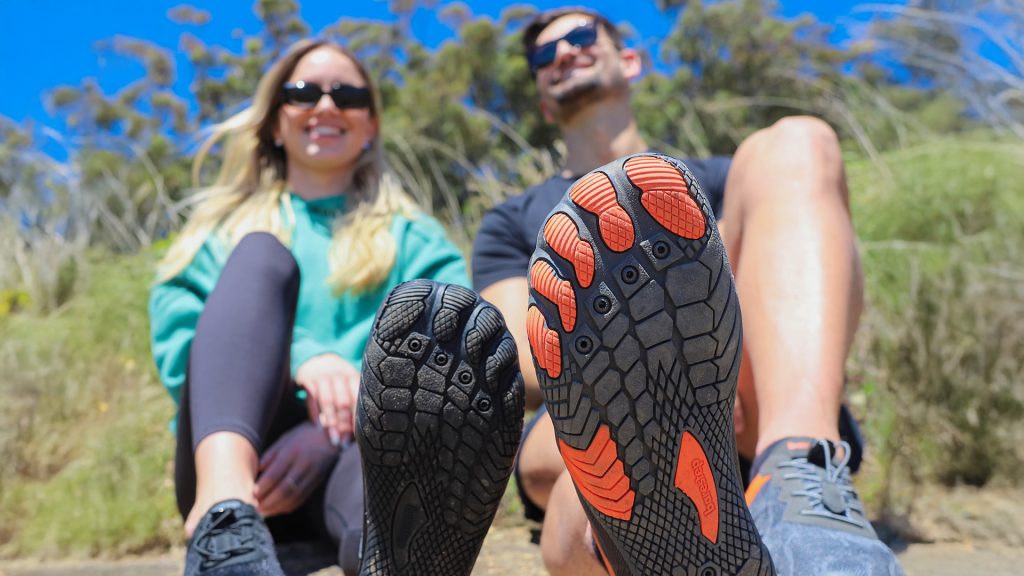
The second good fit is the traveler or commuter who values packability. Trustpilot reviewers repeatedly mention that Barestep shoes are light, easy to pack, and useful for travel, sightseeing, and daily walking. If you hate lugging chunky footwear around airports or into the office, that’s a real practical win.
The third good fit is the person fed up with cramped forefeet. Both AAOS and NHS-linked guidance steer people with bunions toward broader forefoot space and softer, more forgiving shoe shapes. Barestep’s wide toe box positioning lines up neatly with that need, even if you should still be realistic about how much any shoe alone can solve.
The fourth good fit is the minimalist-curious beginner who doesn’t want to spend Vivobarefoot money out of the gate. In current 2026 barefoot shoe roundups, names like Xero Shoes, Merrell, Topo, Vibram FiveFingers, WHITIN, and Vivobarefoot keep showing up. Barestep sits in a useful lane between bargain curiosity and premium-brand sticker shock.
Barestep Customer Testimonials and Reviews
Barestep’s own storefront says the brand has 130,000+ customers, and the product pages push buyer stories around toe pain, balance, and comfort. On Active 2.0 specifically, the featured testimonials mention arthritis-related toe pain relief, better balance, and comfort substantial enough for one buyer to say pain had reduced significantly. Official testimonials are marketing, obviously, but they still show the brand knows exactly what emotional problem it is selling against.
The more useful read comes from third-party reviews. Trustpilot’s Barestep.co.za profile currently shows 2,534 reviews and a 4.1 out of 5 score, with 75% 5-star reviews and 11% 1-star reviews. That split tells a more believable story than pure sunshine ever could.
On the positive side, reviewers repeatedly praise comfort, lightness, balance, easy walking, and roomy toe space. Some reviewers also say the shoes helped with daily walks, travel, and gym use, while others mention repeat purchases, which is usually a decent sign in footwear. That kind of pattern is worth paying attention to because repeat buying is harder to fake than one glowing sentence.
On the negative side, complaints cluster around order handling, delayed shipping, incorrect sizes, tracking issues, and frustrating return experiences. A few recent one-star reviews describe long waits or silence after delivery problems, while more favorable reviews praise quick delivery and responsive service. To me, that means the product appeal appears stronger than the operational consistency.
My honest takeaway is this: the product story looks stronger than the logistics story. If you’re going to buy Barestep, I’d keep screenshots of the order, read the shipping and refund policies, and make sure you use the size chart instead of winging it. That’s not fearmongering; it’s just smart online-shopping hygiene.
Barestep Price Breakdown : exactly as seen in the offer pages
On the current Barestep US collection page, here’s how the price is listed:
- Barestep Active 3.0 is listed at $99.95 from $249.95.
- Barestep Active 2.0 is $74.99 from $149.99.
- Barestep Active is $59.99 from $129.00. Barestep Peak is $84.95 from $200.00.
- Barestep Everest is also $84.95 from $200.00.
- Barestep Summit is $89.99 from $199.00.
- Barestep Vista is $79.95 from $190.00. Barestep Float is $64.99 from $130.00.
- Barestep Pulse is $64.99 from $130.00.
- Barestep Spark is $64.99 from $130.00.
- Barestep Stride is $64.99 from $130.00.
- Barestep Swift is $64.99 from $130.00.
Here’s the part most competing articles skip: I ran the discount math from the current offer page. Peak and Everest are discounted by about 57.5%, Vista by about 57.9%, Summit by about 54.8%, Active by about 53.5%, and Active 2.0 by almost exactly 50%. From a pure promo standpoint, that’s pretty aggressive for a brand still positioning itself as a premium comfort story.
If you’re price-sensitive, the sweet spot looks obvious. Barestep Active at $59.99 is the cheapest clean entry into the brand, while Active 2.0 at $74.99 seems positioned as the best-selling middle ground. Peak, Everest, and Vista sit higher, but still well below what many mainstream walking or running shoes now cost.
Due to its popularity and positive reviews, the company is so confident in their product that they are now offering a 30 day comfort guarantee and are offering their 50% OFF discount for all first-time customers while supplies last.
Barestep Where to Buy
If you’re wondering about Barestep where to buy, I’d start with the Barestep official website. The official site has the full lineup, current sale pricing, fit notes, size guidance, easy size swaps, secure checkout, and a 30-day money-back guarantee. It also promises delivery in 4 to 7 days with tracking on the US storefront.
There are third-party routes, too. Barestep listings do appear on Amazon, which can be useful if you strongly prefer Amazon checkout or already trust that return workflow. Still, the official store, which you can access from here, looks like the better first stop if your goal is the widest selection, current Barestep discount visibility, and direct access to brand policies.
So, yes, if someone asked me where to buy Barestep today, I’d say the official site first and marketplaces second. That’s especially true if you care about model choice, fit advice, or want the most current sale price instead of whatever random reseller is floating around. For most buyers, Barestep where to buy is not a hard question.
Barestep Discount, Barestep Coupon, and Smart Buying Tips
Right now, the easiest verified Barestep discount is the sale pricing already shown across the collection page, along with the store’s Winter Sale: Limited Time Only banner.
The site also invites visitors to subscribe for “amazing barefoot offers” and says “No spam ever. Best deals only.” That’s the clearest currently visible route for anyone hunting a Barestep coupon without gambling on sketchy coupon directories.
I did not find a universal public Barestep coupon code displayed on the main storefront while researching this piece. That means your best move is usually to compare the existing sale price against newsletter offers before you check out. In other words, don’t leave money on the table, but don’t chase ghost coupons, either.
If you want to buy Barestep strategically, I’d do three things.
First, decide whether you want the cheapest entry point, the most popular mid-range pair, or a more premium-looking model.
Second, use the fit notes carefully, because Barestep explicitly says some styles run large and others run snug.
Third, keep your first wear period gradual if you’re new to barefoot shoes.
And jump to their official site and get 50% off your first Barestep purchase right now!
Is Barestep Actually Worth It?
I think Barestep is most worth it for people who know what they’re buying. If you want wide toe box shoes, flexible minimalist footwear, and a lower price than mainstream premium walking shoes, the value proposition is pretty compelling.
If you want plush cushioning, heavy arch control, or a medical miracle, this probably is not your lane. That’s the fork in the road.
Barestep is not trying to beat Hoka at max cushioning, and it is not trying to beat Brooks at support-first engineering. It is trying to win the shopper who wants natural foot movement, a lower Barestep price than premium competitors, and an easier first step into the barefoot shoe world.
And honestly, that’s a sensible niche. The barefoot category keeps pulling in buyers because people are tired of shoes that look athletic but feel like tiny plastic apartments for their toes. Barestep’s appeal is that it turns that frustration into a relatively affordable experiment.
FAQs
Is Barestep legit?
Barestep appears to be a real operating brand with an active ecommerce storefront, multiple product pages, a published support structure, and thousands of third-party reviews on Trustpilot’s South African profile. The brand also shows visible policies for support, shipping, returns, and tracking on its official site. That said, legitimacy does not mean every customer experience is flawless, and the mixed logistics feedback is worth noting.
What is the current Barestep price?
The current Barestep price depends on the model. On the Barestep US storefront, prices range from $59.99 for Barestep Active up to $99.95 for Barestep Active 3.0, with many models clustered in the $64.99 to $89.99 band. Those figures are sale prices and can change with promotions.
Is Barestep good for plantar fasciitis?
Barestep’s own FAQ says barefoot shoes can help some people with plantar fasciitis, but it also says to start slowly and see how your feet feel. That is pretty consistent with the broader research tone, which suggests potential benefits from minimalist footwear while still stressing uncertainty and careful transition. So I would call Barestep a possible option, not a guaranteed answer.
Is Barestep good for bunions?
For some buyers, yes, at least in theory. The main reason is the roomy forefoot, because major orthopedic guidance for bunions repeatedly recommends broader toe boxes and avoiding tight, pointed footwear. Barestep’s wide toe box design fits that logic well.
Is there a Barestep coupon available?
There may be promo offers through the newsletter or seasonal sale periods, but I did not find a universal public Barestep coupon code on the main US storefront while researching this article. The visible discount today is the sale pricing across the site plus the Winter Sale banner. Your safest play is to check the official store first before hunting elsewhere.
Should I buy Barestep from Amazon or the official site?
For most people, I’d suggest the official site first. Amazon listings exist, but the official store gives you the full range, fit notes, easy size swaps, current discount visibility, and the 30-day money-back guarantee. That makes the Barestep official website the better first-click option for most new buyers.
How should beginners transition into Barestep?
Slowly, and that’s not me being dramatic. Transition research on minimal footwear has long emphasized phased adaptation, and even Barestep’s own plantar-fasciitis language tells users to start gradually. Begin with short walks, let your feet adapt, and do not force all-day wear in the first few days.
If you like body-and-wellness reading beyond footwear, you could also browse mental capital in health and social care, what happens if you take a double dose of progesterone, and bad smell in nose when bending over as related health-content rabbit holes.
Barestep isn’t perfect, and I wouldn’t pretend otherwise. But if you want roomy, flexible, beginner-friendly barefoot shoes at a sale price that doesn’t feel ridiculous, Barestep is worth a look, and Barestep is best bought from the official website.